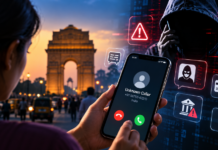




Android smartphone users across the United Kingdom are being warned about a growing mobile security threat involving fake applications designed to steal personal information, compromise devices, and potentially cause financial losses. Cybersecurity experts are urging users to exercise caution when downloading apps, as a single careless tap on an installation button could expose their devices to malicious software.
According to research conducted by McAfee, there has been a significant increase in the use of fraudulent mobile applications targeting users in Britain and other parts of Europe. These applications are designed to imitate popular and trusted brands, making it difficult for unsuspecting users to distinguish between legitimate software and malicious copies.
Some of the brands and services being impersonated include Xbox, PayPal, Netflix, Amazon, Zelle, Game Pass, CapCut, and Roblox. Researchers have also highlighted fake applications claiming to offer Apple services such as Siri and iMessage, which are not officially available as native applications for Android devices.
Fake Applications Can Expose Users to Malware
Security researchers have discovered that some Android users have fallen victim to malware and botnet-related campaigns after downloading fraudulent applications. Once installed, malicious software may display convincing interfaces that resemble genuine applications, encouraging users to enter sensitive information or grant permissions that could compromise their privacy.
Depending on the type of malware involved, cyber criminals may be able to collect personal data, monitor certain activities, steal login credentials, or use compromised devices as part of a wider malicious network. In some cases, stolen information could be exploited to access online accounts or facilitate financial fraud.
Although malware campaigns involving counterfeit applications are not new, the reasons behind the apparent focus on UK users remain unclear. The findings nevertheless highlight the growing sophistication of hackers and the importance of strengthening mobile security practices.
Thousands of Malicious Apps Identified
McAfee’s Mobile Research Team has reportedly identified more than 1,900 malicious applications associated with malware distribution and espionage campaigns. The research indicates that the attackers have targeted more than 500,000 devices across approximately 190 countries, including around 91,000 devices in the UK.
According to the findings, cyber crooks were releasing approximately 20 to 25 applications daily, using different themes, names, and brand identities. Their primary objective was to impersonate legitimate services, deceive users into installing the applications, and generate illicit profits through fraudulent activities.
Many of the suspicious applications reportedly imitate streaming platforms, television services, sports-related applications, and video or photo-editing tools. These categories are particularly attractive to cyber criminals because of their popularity among younger audiences, including Generation Z users who frequently rely on digital platforms for entertainment, content creation, and online income opportunities.
How Android Users Can Protect Themselves
Experts recommend downloading applications exclusively from trusted sources, such as Google Play and the official websites of legitimate developers. However, users should remember that even official app stores can occasionally contain harmful applications, making it essential to check developer details, reviews, requested permissions, and download history before installing anything.
Users should also carefully inspect website addresses before downloading software. Fraudulent websites may use misspelled domain names, misleading branding, or URLs that closely resemble those of legitimate companies.
Additionally, keeping Android devices updated, enabling Google Play Protect, avoiding suspicious links, and reviewing app permissions can help reduce the risk of infection. Anyone who suspects that a malicious application has been installed should remove it, run a security scan, and change potentially compromised passwords from a trusted device.
One important warning concerns Apple services: Siri and iMessage are Apple-specific services and are not officially available as native Android applications. Any Android app claiming to be an official version of these services should therefore be treated with caution.
As mobile threats continue to evolve, staying alert and verifying applications before installation remain essential steps in protecting personal information, digital privacy, and financial security.
Join our LinkedIn group Information Security Community!