


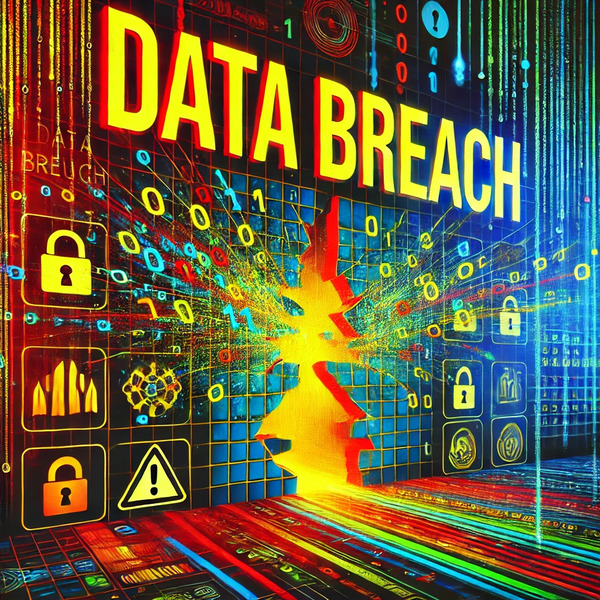
In today’s interconnected world, data breaches have become an unfortunate reality, with no organization—whether public or private—being immune to cyber-attacks. Despite the increasing efforts of institutions to bolster their cybersecurity measures, hackers continue to find innovative ways to infiltrate systems and steal sensitive data. A recent high-profile data breach has put Columbia University in the spotlight, revealing the theft of over 460GB of data that compromises the personal and health information of more than 900,000 individuals.
The Breach: Scope and Impact
The breach was officially disclosed in a filing made by Columbia University’s administrative team to the Office of the Maine Attorney General in June 2025. According to the filing, the breach involved the leak of highly sensitive data, affecting a total of 868,969 individuals, including students, staff, applicants, and their family members. The stolen data encompasses a wide array of personal details, including names, dates of birth, Social Security numbers, academic records, medical history, and financial aid information. Additionally, some demographic details linked to their contact numbers were also exposed.
This leak is particularly alarming due to the breadth of the information compromised. Affected individuals range from current and former students to faculty, staff members, and prospective applicants. The stolen data is valuable not only for identity theft but also for malicious actors seeking to carry out targeted social engineering attacks. With such detailed information, cybercriminals could impersonate victims to exploit their financial or personal resources.
Timeline of Discovery and Response
The attack was first discovered by Columbia University staff on May 16, 2025. This was a critical turning point, as it revealed the scope and severity of the data breach. Once detected, the university took immediate action, enlisting the help of cybersecurity experts and forensic investigators to assess the damage and mitigate any further risks.
In response to the breach, the university initiated a thorough process to notify the affected individuals. To support those whose data was compromised, Columbia University is offering two years of free credit monitoring, fraud consultation services at no cost, and identity theft protection through the security firm Kroll. These steps aim to help victims prevent potential identity theft and ensure that their financial and personal security is protected.
The Potential Risks and Consequences
While the university is taking steps to address the breach, the stolen information poses serious risks. With data such as Social Security numbers, medical histories, and academic records, the potential for malicious use is high. Hackers could use this information to conduct social engineering attacks, where they manipulate individuals into revealing more sensitive data or performing actions that could financially harm them. In some cases, this could lead to blackmail tactics, where the victim is pressured to pay money in exchange for keeping their private information from being exposed.
This attack underscores the vulnerability of institutions, regardless of their size or reputation, to cyber threats. Hackers are constantly evolving their tactics, and even the most well-prepared organizations can fall victim to sophisticated attacks. As a result, Columbia University and similar institutions must remain vigilant, continually updating their cybersecurity practices to protect sensitive data from falling into the wrong hands.
A Growing Concern: The Future of Cybersecurity in Education
The Columbia University breach is yet another reminder of the growing concern surrounding data security in educational institutions. As schools, universities, and other educational bodies store increasingly large amounts of personal and medical data, the need for robust cybersecurity practices has never been more urgent. This incident highlights the importance of not only having effective protection measures in place but also being prepared with a rapid response plan in case of a breach.
Columbia University’s commitment to helping affected individuals through credit monitoring and fraud protection is a step in the right direction. However, this incident also serves as a call to action for other institutions to reevaluate their security strategies and ensure that they are adequately equipped to handle potential cyber threats.
Join our LinkedIn group Information Security Community!