



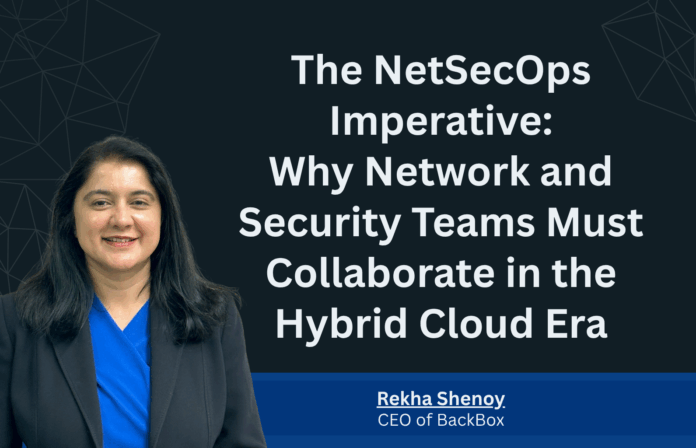
In the modern enterprise, the lines between network and security operations have become blurred. The rise of hybrid and multi-cloud architectures has created a complex digital environment that is difficult to manage effectively from a single perspective. For too long, network and security teams have operated in silos, each with their own tools, data, and priorities. This traditional approach is struggling to keep up with the speed and complexity of today’s cyber threats and the demands of digital business. A unified, collaborative approach, often referred to as NetSecOps, has become more critical than ever.
Research from Enterprise Management Associates (EMA) indicates that 86% of organizations have seen increased collaboration between their network and security teams in recent years. This isn’t a passing trend; it’s a strategic response to a fundamental shift in IT. The move to the cloud, while offering agility and scalability, has also introduced unprecedented complexity. With data and applications residing in multiple clouds and on-premises data centers, the traditional security perimeter has dissolved. Now, every network component, from a physical switch to a virtual firewall in a cloud environment, can be a vulnerability.
Despite the clear need for collaboration, only 39% of enterprises report being completely successful in their NetSecOps initiatives. The reasons for this disconnect are varied, but they are deeply rooted in organizational and technological challenges. The most significant hurdle is the issue of data quality and authority. Network teams rely on their monitoring tools and data sources, while security teams use a different set of platforms, including SIEMs and SOARs. When these teams try to compare notes during an incident, they often find conflicting data, disagreements over what constitutes the “source of truth,” and operational chaos. This can lead to finger-pointing and slow down the Mean Time to Resolution (MTTR) for critical incidents.
Another major obstacle is the lack of shared tools and skills. Many networking professionals lack a deep understanding of security protocols and tools, and vice versa. This knowledge gap creates a cultural barrier, where each team views the other’s requests as either impossible or misguided. Additionally, securing the necessary budget for shared platforms or cross-training can be difficult.
To overcome these obstacles, organizations must adopt a combination of top-down and bottom-up strategies. Executive sponsorship is paramount. CIOs and CISOs must establish a clear agenda that mandates collaboration and provides the resources needed to make it a reality. This includes investing in platforms that can unify data and workflows across both domains. Developing formalized processes and shared best practices is also critical for establishing a common operational language between the teams.
From a technical standpoint, the key to a successful NetSecOps partnership is establishing a single, unified source of truth. This central repository of network data, device configurations, and security policies ensures that both teams are working from the same information, thereby ensuring consistency and accuracy. By providing security teams with real-time network telemetry—such as flow logs, DNS queries, and configuration change alerts—network teams can empower their security counterparts to detect threats more accurately and respond faster.
Ultimately, the NetSecOps imperative is not about merging teams, but about aligning them around a shared mission: protecting the enterprise. By breaking down silos, fostering a culture of mutual understanding, and leveraging the right tools and data, organizations can transform their network and security functions from separate entities into a powerful, collaborative force that reduces risk and drives business success in the hybrid cloud era.
Join our LinkedIn group Information Security Community!