


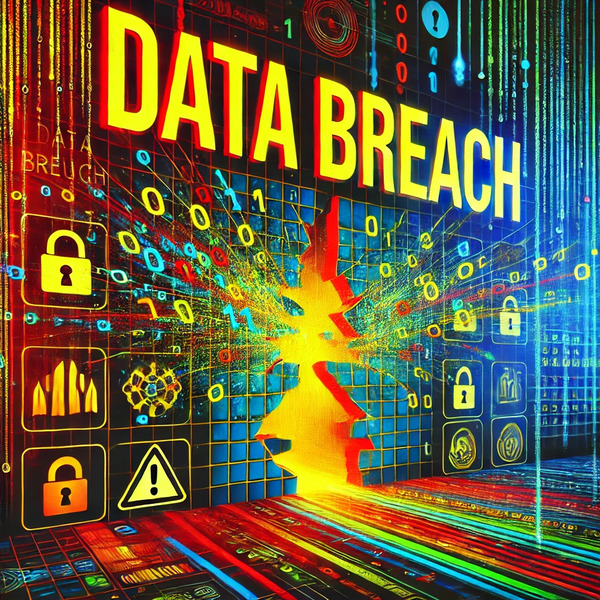
A data breach is one of the most concerning security events a company can face. With the increasing reliance on digital tools and the vast amounts of sensitive information businesses store, data breaches can have serious implications not only for the company’s reputation but also for its financial stability and legal standing. When a data breach occurs, it’s crucial for organizations to act swiftly and decisively to mitigate the impact. Here are the essential steps that should be taken after a data breach in the corporate world:
1. Immediate Detection and Containment
The first and most critical action is to detect the breach and contain it as quickly as possible. Identifying the breach early can prevent further damage and stop the hackers from exploiting the vulnerability.
Isolate affected systems: Disconnect the compromised systems from the network to prevent the attackers from accessing other parts of the infrastructure.
Stop malicious activity: Work with IT security teams to shut down ongoing attacks, block any malicious traffic, and disable compromised accounts or access points.
This process often involves working closely with cybersecurity experts and forensic investigators to track the source of the breach, understand its nature, and prevent further exploitation.
2. Assess the Extent of the Breach
Once the breach is contained, the next step is to evaluate the extent of the breach. Companies must answer crucial questions:
- Which data was compromised?
- Who or what was affected (employees, customers, third parties)?
- Was sensitive personal data (e.g., credit card information, health records) exposed?
Conducting a thorough investigation with the help of forensic experts will help identify the scope of the breach and guide further actions. Understanding whether the attackers gained access to high-value assets like intellectual property, trade secrets, or customer data is critical in determining the impact.
3. Notify Affected Parties
In many jurisdictions, businesses are legally required to notify affected individuals or entities in the event of a data breach, especially if the breach involves personal or sensitive information.
Notify customers and employees: Let them know what happened, what information was compromised, and what steps they can take to protect themselves.
Compliance with legal regulations: Depending on the region, businesses must notify government authorities, regulatory bodies, and sometimes even law enforcement. For example, in the EU, the General Data Protection Regulation (GDPR) mandates that companies report breaches to the Information Commissioner’s Office (ICO) within 72 hours.
Clear communication: Notify affected parties in a clear and transparent manner, providing them with guidance on how to secure their accounts, change passwords, and monitor for signs of fraud or identity theft.
In some cases, offering identity theft protection services or credit monitoring can be a crucial step in maintaining customer trust.
4. Investigate and Analyze the Breach
After notifying stakeholders, the company should conduct a full investigation into the breach. The goal is to understand how the attack occurred, assess the vulnerabilities exploited, and implement corrective measures.
Root cause analysis: Work with IT professionals to identify how the breach happened—whether it was a flaw in software, weak passwords, or social engineering tactics like phishing.
Examine the methods of attack: Understand whether the breach was part of a larger, coordinated attack (e.g., ransomware, DDoS) or the result of a targeted effort against a specific system.
This phase often requires the use of specialized cybersecurity tools and expert teams to analyze log files, network traffic, and other data to pinpoint vulnerabilities.
5. Implement a Remediation Plan
Once the cause and scope of the breach have been identified, businesses should act swiftly to remediate the situation and strengthen their security posture. Remediation steps can include:
Patching vulnerabilities: Update software, firmware, and security protocols that were exploited by the attackers.
Strengthening authentication: Implement multi-factor authentication (MFA) and enforce stronger password policies to make it more difficult for unauthorized individuals to gain access.
Enhancing encryption: Encrypt sensitive data both in transit and at rest to reduce the chances of data exposure in future breaches.
Reviewing third-party security: If a third-party vendor was involved or if their systems were compromised, the company should assess their security practices and demand improvements where necessary.
6. Improve Cybersecurity Training and Awareness
Employee education is one of the most effective ways to prevent future data breaches. Human error is often the weakest link in cybersecurity, and employees must be well-trained to recognize the signs of phishing attacks, social engineering tactics, and other forms of manipulation.
Regular training: Conduct regular cybersecurity awareness programs to educate employees about best practices and how to spot suspicious activities.
Simulated attacks: Run phishing simulations and other mock exercises to test employees’ readiness in identifying and reporting security threats.
7. Review and Update Data Protection Policies
A data breach presents a critical opportunity to review and update the company’s data protection policies. Ensure that all policies are in line with the latest cybersecurity regulations, best practices, and industry standards. Key aspects to address include:
Data retention policies: Ensure that sensitive data is only stored for as long as necessary and that outdated information is securely disposed of.
Access controls: Implement strict access controls to ensure that only authorized personnel can access sensitive information. Regularly review and update user permissions and roles.
Updating these policies helps reduce the likelihood of future breaches and ensures that the company stays compliant with evolving laws and regulations.
8. Communicate Publicly and Manage Reputation
Beyond internal actions, how a company responds to a breach publicly can make or break its reputation. Transparency and proactive communication are crucial in maintaining customer trust.
Craft a clear public statement: When communicating with the public, be honest about the breach, the information impacted, and the steps being taken to mitigate the consequences.
Customer support: Set up dedicated channels for affected individuals to ask questions or get assistance. This shows commitment to resolving the issue and helps alleviate customer concerns.
PR management: Engage public relations professionals to manage media inquiries and mitigate reputational damage. A well-handled communication strategy can help the company regain its footing.
9. Monitor for Further Threats
Even after immediate remediation steps have been taken, it’s essential to continue monitoring the network and systems for any signs of recurrent attacks. Cybercriminals may attempt to exploit the situation further or use the stolen data for future attacks.
Continuous monitoring: Employ advanced threat detection tools and regularly review system logs to identify any unusual activities.
Penetration testing: Periodically conduct penetration tests to identify and fix potential vulnerabilities.
10. Learn and Adapt
Finally, a data breach offers valuable lessons. Companies should use the breach as an opportunity to improve their cybersecurity infrastructure, policies, and response protocols.
Post-breach review: Conduct a post-mortem to evaluate the effectiveness of the response and identify areas for improvement.
Update incident response plan: Revise and update the incident response plan based on the lessons learned to ensure better preparedness for future incidents.
Conclusion
A data breach is a significant challenge for any organization, but with prompt, decisive actions, companies can minimize the damage and emerge stronger. By detecting the breach early, informing affected parties, and implementing strong remediation measures, organizations can safeguard their assets, protect their reputation, and ensure the trust of their stakeholders. Cybersecurity is a constantly evolving field, and companies must remain vigilant, proactive, and adaptive to protect themselves from the growing threat of cyberattacks.
Join our LinkedIn group Information Security Community!