


According to a study by IBM and Google, cybercriminal gangs increasingly operate like legitimate businesses, complete with CEOs, project managers, HR departments and nine-to-five schedules. Many outsource tasks to specialist contractors, post job adverts on the dark web and run operations with the efficiency of modern enterprises.
Yet, for all this evolution on the criminal side, many organisations are still relying on isolated security strategies. Clearly, cybersecurity has always relied on vigilance, but today’s threat landscape demands something more fundamental: collaboration. The catalyst for this shift is that cybercriminals are no longer working in isolation, and the traditional defensive model, where each organisation protects its own environment, has become outdated.
In contrast, the concept of collective defence represents a significant departure from the fragmented approach. It is based on the idea that organisations, whether public or private, large or small, share critical threat intelligence, coordinate responses and treat an attack on one as a concern for all. This model reflects the spirit of mutual protection seen in military alliances, where shared responsibility increases collective resilience.
The impact can be transformational. When Microsoft’s Digital Crimes Unit joined forces with cybersecurity software provider Fortra and Health-ISAC, for example, to take down infrastructure linked to Cobalt Strike abuse, it showed what coordinated action can achieve. Likewise, the Open Source Security Foundation (OpenSSF) and the Open Cybersecurity Alliance (OCA) are helping establish shared frameworks and standards that make intelligence exchange faster and easier.
Strong foundations
Delivering on the promise of collective defence, however, requires more than good intentions. Organisations must align around a shared operational model built on three essential pillars: the right technologies, the right partnerships and the right mindset.
From a technology perspective, Threat Intelligence Platforms (TIPs) are already helping security teams filter, analyse and act on high volumes of threat data. TIPs combine threat intelligence from various sources, including internal logs, external feeds and community alerts, and convert it into actionable insight. In doing so, they enable faster detection and more consistent responses across different environments.
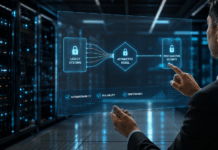
Going a step further, Hyper Orchestration solutions extend these capabilities outside the organisation, connecting teams with other stakeholders via secure collaboration environments. They support the real-time exchange of indicators of compromise (IoCs), tactics, techniques and procedures (TTPs) and incident response playbooks, creating a coordinated response framework that extends beyond organisational boundaries.
While collective defence depends on external cooperation, internal readiness plays an equally important role. Organisations using automation to consolidate threat intelligence and manage alerts across teams are better positioned to scale those practices beyond their own walls. In contrast, those still reliant on disjointed tooling or fragmented workflows often struggle with alert fatigue and inconsistent responses. For these businesses, joining a collective defence network isn’t just about adopting new platforms; it’s about building the internal capability and coordination needed to participate effectively.
That’s why early-stage collective defence networks tend to form between industry peers or through Information Sharing and Analysis Centres (ISACs), where the foundations for secure cooperation already exist. These nonprofit organisations bring together members from specific industry sectors to exchange threat intelligence and coordinate incident response. Many offer real-time alerts, sector-specific threat levels and rapid dissemination of actionable intelligence, often faster than government agencies.
Leadership buy-in
Delivering collective defence is much more than a technical side project; it’s a strategic shift that must be driven from the top. Boards, CISOs and senior leadership teams all have a role to play in embedding the model into the heart of cybersecurity planning.
That starts with prioritising collaboration, not just with trusted peers but with regulators, industry bodies and third-party suppliers. It also means allocating resources to the tools and partnerships that make this possible. Threat intelligence, orchestration and secure communications infrastructure must be considered essential components of a modern security stack, not optional extras.
When implemented effectively, collective defence not only strengthens individual organisations but also raises the security baseline across entire sectors. The greater the participation, the more robust the network becomes. In this way, shared intelligence acts as both a defensive shield and a force multiplier, changing the rules of engagement with cybercriminals.
Collective defence also depends on trust, and trust doesn’t come from policies alone. It comes from leadership that emphasises openness, values shared goals and understands that the security of the broader ecosystem is inextricably linked to its own. But by adopting this approach, organisations can build a more resilient digital environment and send a clear message to attackers that coordinated threats will be met with coordinated defence.
Join our LinkedIn group Information Security Community!