

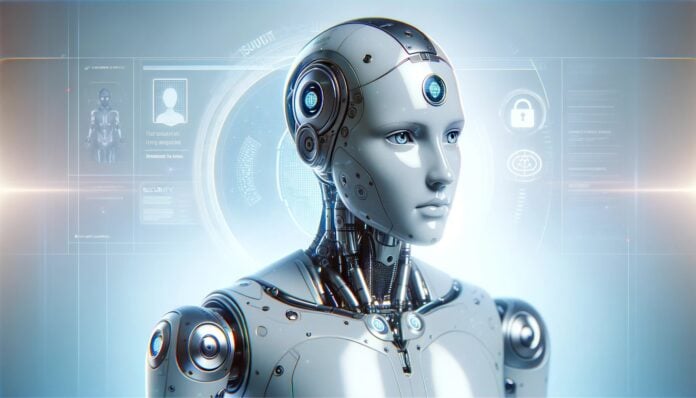
The emergence of advanced artificial intelligence systems such as Mythos AI marks a turning point in cybersecurity. Developed by Anthropic, Mythos is designed to identify software vulnerabilities with unprecedented speed and accuracy. While this capability can strengthen defenses, it also introduces serious risks if misused. Experts warn that such AI systems can discover and exploit “zero-day” vulnerabilities—previously unknown flaws—faster than organizations can patch them .
As a result, governments, financial institutions, and enterprises worldwide are reassessing their cybersecurity strategies to address this new class of AI-driven threats.
Understanding Mythos AI Threats
Mythos represents a new generation of AI capable of both defensive and offensive cyber operations. Its key risk factors include:
i) Automated vulnerability discovery: Mythos can scan systems and uncover hidden weaknesses at scale .
ii) Exploit generation: It can convert vulnerabilities into working attack strategies, reducing the need for expert hackers .
iii) Speed and scale advantage: AI-driven attacks can occur faster than human-led defenses can respond .
iv) Lower barrier to entry: Even less-skilled attackers could leverage AI tools to launch sophisticated cyberattacks .
This dual-use nature—helpful for defenders but dangerous in the wrong hands—creates a volatile cybersecurity landscape.
Key Cyber Risks Associated with Mythos AI
1. Acceleration of Cyberattacks- AI enables rapid identification and exploitation of vulnerabilities, shrinking the time between discovery and attack. This creates a significant imbalance between attackers and defenders.
2. Expansion of Attack Surface- Modern organizations rely on complex, interconnected systems. Mythos can analyze vast infrastructures, exposing weaknesses across networks, cloud systems, and software ecosystems.
3. Zero-Day Exploitation- Mythos can identify previously unknown vulnerabilities, making traditional signature-based defenses ineffective.
4. Autonomous Attack Capabilities– Advanced AI systems can simulate or even execute multi-step attacks with minimal human intervention, increasing the sophistication of cyber threats.
Strategies to Mitigate Cyber Risks
1. Proactive Vulnerability Management– Organizations must shift from reactive to proactive security: by conducting continuous vulnerability scanning using AI-assisted tools and prioritize patch management for critical systems. Also adopting “assume breach” mindset to prepare for inevitable attacks helps in using AI defensively to match the speed of AI-driven threats.
2. Zero Trust Architecture- Implementing a Zero Trust model ensures that no user or system is automatically trusted with the enforcement strict identity verification. Plus applying least-privilege access controls and by continuously monitor network activity helps in reducing the impact of compromised systems.
3. AI-Augmented Cyber Defense- To counter AI threats, organizations must use AI themselves: and deploy AI-based threat detection systems. Also using behavioral analytics to detect anomalies and by automating incident response to reduce reaction time helps in closing the speed gap between attackers and defenders.
4. Secure Software Development (DevSecOps)- Integrating security into the development lifecycle is essential: By conducting regular code audits and penetration testing. Plus using automated tools to detect vulnerabilities early and by adopting secure coding standards helps in minimizing exploitable weaknesses before deployment.
5. Threat Intelligence Sharing- Collaboration is critical in the AI era: So, sharing threat intelligence across industries and by partnering with cybersecurity agencies and CERT teams from time to time and participating in global security initiatives is very much encouraged. Also collective defense improves resilience against large-scale threats is also required.
6. Regulatory and Governance Measures- Governments and organizations must establish strong oversight: by enforcing AI safety and security standards. Also they should restrict access to high-risk AI systems and conduct regular audits of AI models and usage. Also recent global efforts show increasing cooperation between tech companies and governments to evaluate AI risks before deployment .
7. Workforce Training and Awareness- Human factors remain critical: By training employees to recognize phishing and social engineering attacks and by upskilling cybersecurity teams to AI-related threats and by conducting regular security drills and simulations
Future Outlook
The rise of Mythos AI signals a broader shift toward AI-driven cybersecurity warfare. While such tools can significantly enhance defense, they also empower attackers. The balance between risk and protection will depend on how quickly organizations adapt.
Experts emphasize that the real danger lies not just in new vulnerabilities, but in the speed at which they can be exploited. This makes agility, automation, and collaboration essential components of modern cybersecurity.
Conclusion
Mitigating cyber risks from Mythos AI threats requires a fundamental transformation in how organizations approach security. Traditional defenses are no longer sufficient in a world where AI can discover and exploit vulnerabilities autonomously.
By adopting proactive strategies—such as AI-driven defense systems, Zero Trust architectures, and global collaboration—organizations can stay resilient against emerging threats. The challenge is not just technological but strategic: keeping pace with AI itself.
Join our LinkedIn group Information Security Community!