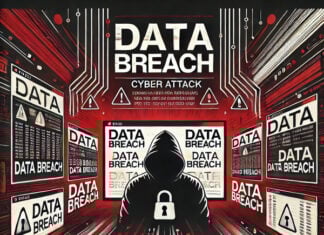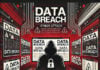





In 2025, the financial sector faced several high-profile data breaches, affecting millions of customers and raising serious concerns about the security of banking systems worldwide. As cyber threats continue to evolve, banks and financial institutions have become prime targets for hackers seeking to exploit vulnerabilities for personal gain.
Here are the top 5 banking data breaches of 2025 that made headlines:
1. Global Bank Network Breach – March 2025
In March, a sophisticated cyber attack targeted a global banking network, affecting over 100 banks across multiple continents. Hackers gained access to sensitive customer data, including account numbers, passwords, and transaction histories. The breach exploited a vulnerability in a third-party software provider used by several banks, compromising the data of millions of customers. The attack was traced back to a hacking group known for its ties to cybercriminal organizations in Eastern Europe.
Impact: Over 15 million accounts were affected, and millions of dollars were stolen through unauthorized transactions. The banks involved had to offer identity theft protection and compensation to victims.
2. MegaCorp Bank Data Leak – June 2025
One of the largest data breaches in banking history occurred in June when MegaCorp Bank, a major financial institution in North America, suffered a massive data leak. The breach was caused by a cyber attack on the bank’s internal servers, which led to the exposure of customer data, including Social Security numbers, credit card details, and mortgage information. The attack was believed to be a targeted effort to obtain personal data for identity theft and financial fraud.
Impact: The breach affected over 20 million customers, and the fallout included widespread identity theft and fraudulent transactions. MegaCorp Bank faced intense public scrutiny and legal challenges in the aftermath, as regulatory authorities demanded greater transparency and accountability.
3. CryptoBank Ransomware Attack – July 2025
In July, a well-known digital banking service, CryptoBank, fell victim to a ransomware attack that encrypted vast amounts of customer data, making it inaccessible. The attackers demanded a multi-million dollar ransom in cryptocurrency to release the files, threatening to sell the stolen data on the dark web if their demands were not met. CryptoBank initially tried to negotiate with the hackers but was forced to report the breach when they failed to regain control of their systems.
Impact: Over 10 million customer records were compromised, including sensitive data related to cryptocurrency holdings and trading activity. The breach led to a decline in customer trust, and many users moved their assets to other platforms. The bank faced legal action from both regulators and affected customers.
4. National Bank of Asia Phishing Scam – September 2025
In September, National Bank of Asia (NBA) was targeted by an elaborate phishing scheme that tricked employees into revealing access credentials. The hackers used social engineering techniques to pose as legitimate clients, gaining access to internal systems and customer data. The breach exposed a wide range of sensitive information, including bank account numbers, personal identification numbers (PINs), and transaction histories.
Impact: Approximately 8 million accounts were compromised, and customers experienced unauthorized withdrawals and fraudulent transactions. NBA had to implement new security measures and offer affected customers free credit monitoring services to minimize the damage. The breach also raised concerns about employee awareness and the effectiveness of anti-phishing training.
5. EuroFin Bank Cloud Data Breach – October 2025
In October, EuroFin Bank experienced a cloud-based data breach when hackers gained unauthorized access to its cloud storage system, where millions of customer records were kept. The breach was discovered after a series of suspicious activities were detected within the bank’s cloud infrastructure. The hackers used a sophisticated attack vector to bypass security protocols and exfiltrate sensitive data, including banking details, personal information, and financial documents.
Impact: The breach affected over 5 million customers, and the stolen data was later found for sale on dark web marketplaces. EuroFin Bank faced severe regulatory penalties and was required to undergo an extensive security overhaul, including moving data back to on-premise servers to reduce future risks.
Conclusion:
The banking sector in 2025 faced a significant surge in cyber threats, with each breach highlighting vulnerabilities in various parts of the financial system—from third-party software to cloud storage and employee training. These breaches not only compromised sensitive data but also eroded trust in financial institutions. To mitigate the risks, banks must adopt stronger cybersecurity measures, including regular security audits, advanced encryption techniques, and ongoing employee training to protect their customers in an increasingly digital world.
Join our LinkedIn group Information Security Community!