


There was a time when the Internet was the great wide frontier where you could go browsing, posting, shopping, and chatting freely. But the online landscape has changed—and not for the better. These days, cyber attacks aren’t the sole province of company giants or government entities. Everyday, ordinary folks—you and me—are the prime targets. Phony e-mails, malicious apps, fake login sites, you name it, cybercriminals are getting sneakier, faster, and more creative in how they attack.
So, what exactly is really going on behind the scenes of the new threats? Why are regular folks in the bullseye more than ever? That’s exactly what we’ll explore in this post.
Phishing Has Evolved—and it’s Getting Personal Now
Phishing might be the oldest attack in the cybercrime bible, but it’s far from outdated. It’s actually getting more compelling every day. But don’t you worry about the crude e-mails from a “Nigerian prince.” Today’s phishing attacks can be as seamless as a message from your bank, your boss, even your favorite online retailer.
What’s more pernicious, however, is how personalized these attacks are becoming. The hackers are using the data they’ve acquired—whether it’s from your social networking sites or previous breaches—to enhance the plausibility of the message. You might get an e-mail sent in your name, reminding you of the recent purchase or activity. And the moment you click the false link or download the dubious file, the door to your personal data swings open wide.
The Emergence of Mobile-Related Threats
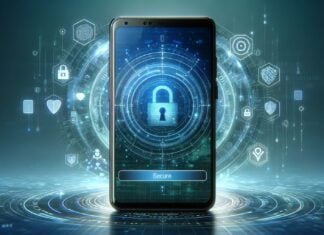
You probably trust your phone more than your laptop. Most of us do. But the trust has provided hackers a window of opportunity. Mobile users click links faster. Mobile users download apps more frequently without vetting. And we don’t install security software as frequently on our mobiles as we may do laptops.
That’s why attacks related to mobiles are flourishing. From fake impersonation of actual banking apps to malicious QR codes deployed at restaurants and festivals, attackers are finding new means of bypassing your phone. And once they do bypass, they can capture control of your camera, mic, location, contacts—you name it.
Smarter Malware, Easier Distribution
Modern malware need not be obvious and obnoxious. It need not make your computer stall, or bombard your screen with pop-ups. Some of the most malicious malware, actually, are quiet and lean—they dwell in the background, watching everything you do.
The new-age malware can be embedded in seemingly safe downloads, illegally acquired files, or even add-ons. And they often have the ability of self-updating, obscuring themselves from detection, or moving laterally through networks. You might not even realize your system has the malware installed until it’s too late and your data has already been exploited.
Deepfakes and Media Artificial Frauds
This one seems lifted straight from a sci-fiction movie, yet it’s all too real. Deepfakes, as AI-generated video or audio clips impersonating real people, are being used in ruses nowadays. Imagine getting a video message from seemingly, and sounding, your boss telling you to make a money transfer to a new account. Sounds far-fetched? It’s real.
Deepfakes are spoiling life as we know it online, and it’s getting harder to trust our eyes and ears online. And while these menaces used to only beset politicians or celebrities, they’re now beginning to intrude upon everyday life. As the tech becomes easier to use, the cybercriminals are learning how to use the tech for personal gain.
Increased Risk of Ransomware for Individuals
Ransomware no longer belongs to large corporations. More and more commonly, folks are waking up to find their personal files encrypted and their desktops demanding money. It’s a scary scenario: you won’t be able to see your photos, company documents, or tax returns except by paying up—typically in cryptocurrency, with no promise you’ll ever lay eyes on your stuff again.
These attacks most often take the guise of seemingly harmless email attachments or file downloads. When the ransomware is installed, it will encrypt your files and leave you with limited options. If you do not happen to have a good backup that you can restore, you’re in a tight spot.
What You Can Actually Do to Stay Safe
This can be intimidating. And it’s true—the risk is building speedily. But that does not leave you powerless. Being aware is already a huge step forward. Habits such as using complex, unique passwords, enabling two-factor authentication, avoiding suspicious links, and regularly updating your software can make a significant impact in cybersecurity.
Also, be curious and wary. If something seems suspicious—one message, a request, an app—it likely is. Press pause before you click. Consider before you respond. Your online instincts will refine over time.
Conclusion
We live in a world in which our virtual lives are every bit as real and as valuable as our physical ones. The criminals know that—and they’re counting on the fact that the great majority of us aren’t as serious as we should be about security. But the tide is turning. The more we educate ourselves, the less these threats can gain a foothold.
So, be aware, be skeptical, and do not let the fear take control. Understanding the latest cyber attacks that target the everyday user is the first step. It’s up to us now to act.
Join our LinkedIn group Information Security Community!