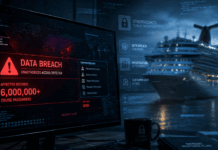





In the digital age, media companies handle enormous volumes of sensitive data every day. This data may include confidential business information, unreleased content, financial records, and personal details of employees and subscribers. Because of the value of this information, media organizations are frequent targets for cybercriminals seeking to steal, manipulate, or disrupt digital assets. To protect themselves, media companies are investing heavily in cybersecurity strategies that combine technology, policies, and employee awareness.
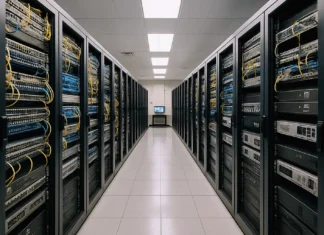
One of the most important ways media companies defend their data is through strong network security systems. Firewalls, intrusion detection systems, and intrusion prevention systems help monitor incoming and outgoing network traffic. These tools can detect suspicious activity and block unauthorized access attempts before attackers can reach sensitive information. In addition, many organizations use secure network architectures that separate critical systems from public-facing platforms, reducing the risk of large-scale breaches.
Another key defense is data encryption. Encryption converts sensitive information into coded formats that cannot be easily read without the proper decryption key. Media companies encrypt data both while it is stored and while it is being transmitted across networks. This ensures that even if cyber-criminals manage to intercept the data, they will not be able to understand or use it.
Access control and authentication systems also play a crucial role in protecting data. Media companies limit access to sensitive files and systems only to authorized employees. Multi-factor authentication (MFA) has become increasingly common, requiring users to verify their identity using more than one method, such as a password combined with a mobile authentication code. This extra layer of security helps prevent hackers from gaining access even if they manage to obtain login credentials.
In addition to technological measures, media organizations conduct regular security audits and vulnerability assessments. These evaluations help identify weaknesses in systems, software, or networks that could potentially be exploited by attackers. By discovering vulnerabilities early, companies can apply security patches and updates before cybercriminals take advantage of them.
Employee awareness is another essential part of cybersecurity. Many cyber attacks begin with phishing emails, which trick employees into revealing passwords or clicking malicious links. To reduce this risk, media companies often conduct cybersecurity training programs that teach employees how to recognize suspicious emails, avoid unsafe downloads, and follow secure digital practices.
Another important strategy is maintaining data backup and recovery systems. In the event of a cyber attack such as ransomware, where attackers lock systems and demand payment, companies can restore their data from secure backups rather than giving in to demands. Regular backups ensure that critical information can be recovered quickly and operations can continue with minimal disruption.
Finally, media companies often work with cybersecurity specialists and external security firms to strengthen their defenses. These experts provide advanced monitoring, threat intelligence, and rapid response services when attacks occur. Collaboration with industry partners also helps organizations stay informed about emerging threats and best practices.
In conclusion, defending data against cyber attacks requires a comprehensive approach that combines advanced technology, strict security policies, and continuous employee education. As cyber threats continue to evolve, media companies must remain vigilant and proactive to protect their information, maintain public trust, and ensure the uninterrupted delivery of news and entertainment to their audiences.
Join our LinkedIn group Information Security Community!