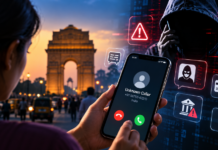





The rapid growth of technology has made our lives easier and more convenient. From online shopping and banking to digital payments and communication, almost everything can now be done with a smartphone. However, this technological progress has also created new opportunities for cybercriminals.
Online fraud, which was once commonly associated with computers, has increasingly spread to mobile phones, making digital security a major concern.
From Computers to Smartphones
In the early days of the internet, online fraud was mainly carried out through computers. Fraudsters used fake websites, fraudulent emails, and malicious software to steal personal information and financial details. As smartphones became more affordable and internet access expanded, people began using their phones for banking, shopping, and money transfers. Criminals soon shifted their attention to these devices because they offered easy access to users and their sensitive information.
Common types of Mobile Fraud
Today, online fraud can occur through phone calls, text messages, messaging applications, and social media platforms. One common method is phishing, in which fraudsters send fake messages containing links that lead to fraudulent websites. These websites may imitate banks, government services, or popular shopping platforms.
Another growing concern is the use of fake customer-care numbers, fraudulent payment requests, and QR-code scams. Criminals may pretend to be bank officials or delivery agents and convince people to reveal confidential information. Some even use screen-sharing applications to monitor victims’ activities and gain access to their accounts.
Additionally, fake investment offers, lottery messages, and job opportunities are used to attract people with promises of easy money. With the growing use of digital payment applications, even a small mistake can result in significant financial loss.
Why are Phones easy Targets?
Smartphones are always connected to the internet and are frequently used to store personal information. Many people trust messages and calls they receive without checking their authenticity. The convenience of mobile banking and instant payments can also lead users to act quickly without thinking carefully. Fraudsters exploit this trust, urgency, and lack of awareness to deceive their victims.
How can we Stay Safe?
Preventing online fraud requires awareness and caution. Users should never share passwords, PINs, or one-time passwords (OTPs) with anyone. Suspicious links and unknown applications should be avoided, and banking applications should be downloaded only from trusted sources. People must verify payment requests and customer-care numbers before taking action. Regularly updating phone software and enabling security features can also reduce risks.
Conclusion
Online fraud has evolved from computer-based scams into a widespread threat targeting smartphones. As technology advances, fraudsters continue to develop new methods to deceive people. Therefore, digital literacy, careful decision-making, and strong security practices are essential. A smartphone is a powerful tool, but using it safely requires awareness and responsibility.
NOTE- In the digital world, staying alert is the first step towards staying secure.
Join our LinkedIn group Information Security Community!