


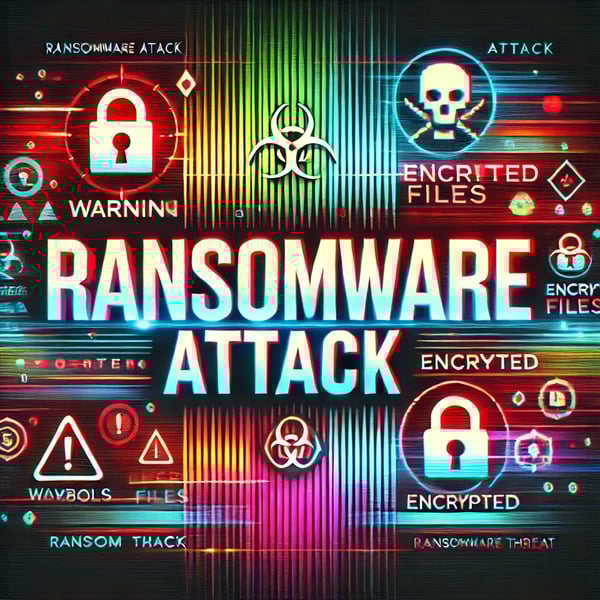
Ransomware attacks have become one of the most profitable forms of cyber-crime. Instead of randomly infecting computers, modern ransomware groups operate like businesses. They carefully select their targets to maximize profit while minimizing risk. Understanding how these hackers choose victims reveals why certain organizations are repeatedly attacked.
1.) One major factor is the victim’s ability to pay. Hackers often target organizations with substantial financial resources, such as hospitals, large corporations, school districts, and government agencies. These institutions rely heavily on their digital systems to function. When operations are disrupted—medical records locked, payroll systems frozen, or supply chains halted—pressure builds quickly. The more essential the service, the more likely the organization will consider paying the ransom to restore operations.
2.) Another key consideration is vulnerability. Cybercriminals frequently scan the internet for weaknesses, such as outdated software, exposed remote desktop services, weak passwords, or unpatched security flaws. Automated tools help attackers identify networks that lack strong defenses. Small and medium-sized businesses are especially attractive because they often have fewer cybersecurity resources, making them easier targets than large enterprises with dedicated security teams.
3.) Hackers also evaluate the potential for leverage. Many ransomware groups now use a tactic called “double extortion.” Before encrypting files, they steal sensitive data. They then threaten to publish confidential information—such as customer records, financial data, or trade secrets—if the ransom is not paid. Organizations that store valuable or sensitive data, including healthcare providers, law firms, and financial institutions, become prime targets because the reputational and legal consequences of a data breach increase pressure to comply.
4.) Industry trends also influence victim selection. Some sectors are targeted simply because others in the same industry have paid ransoms in the past. Cybercriminal groups share information, and success stories encourage copycat attacks. For example, if a particular type of organization is known to settle quickly, attackers may focus more heavily on similar institutions.
5.) Geography can also play a role. Attackers may avoid targeting organizations in their own country to reduce the risk of local law enforcement action. Instead, they often focus on victims in foreign jurisdictions where prosecution is less likely. Additionally, regions with higher average incomes may present more lucrative opportunities.
6.) Finally, timing matters. Hackers may strike during periods of high stress or limited staffing—such as holidays, weekends, or crises—when organizations are less prepared to respond quickly. They exploit urgency and disruption to increase the chances of payment.
Finally
In conclusion, ransomware attacks are rarely random. Hackers conduct research, assess risk, and evaluate profitability before launching their campaigns. By understanding these selection strategies, organizations can better anticipate their risk and strengthen their defenses. Regular software updates, employee training, strong password policies, and reliable data backups remain some of the most effective ways to reduce the likelihood of becoming a target.
Join our LinkedIn group Information Security Community!