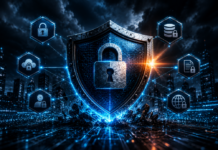


Retirement planning is usually associated with financial security, long-term savings and peace of mind. But behind every retirement account is a significant amount of sensitive personal and financial data. From Social Security numbers and bank details to employment records, beneficiary information and account balances, retirement plans can become attractive targets for cyber-criminals. For organizations and individuals alike, protecting this information is now a data security and privacy priority.
Why Retirement Data is a Cybersecurity Target
Retirement accounts contain a valuable combination of personally identifiable information (PII) and financial data. A compromised account may expose names, addresses, dates of birth, tax information, investment details and authentication credentials.
Cybercriminals can use stolen information for identity theft, financial fraud, account takeover and phishing attacks. Even information that does not immediately appear financially valuable can help attackers construct convincing social-engineering campaigns.
The growing use of online retirement portals and mobile applications has expanded the attack surface. Employees increasingly access their accounts remotely, sometimes using personal devices or unsecured networks. Weak passwords, credential reuse and phishing remain common entry points for attackers.
Third-Party Risk adds another leak Layer
Retirement plans rarely operate in isolation. Employers may work with record keepers, investment providers, payroll companies, benefits platforms, cloud providers and other vendors. Each organization that stores or processes retirement-related information can introduce additional cybersecurity and privacy risks.
A security incident at a third-party provider could potentially expose data belonging to thousands or even millions of plan participants. This makes vendor risk management, third-party security assessments and contractual data-protection requirements essential components of a modern retirement-plan security strategy.
Privacy is more than Preventing a Breach
Data privacy concerns extend beyond cyberattacks. Retirement-plan administrators and service providers must consider what information they collect, why they collect it, where it is stored, who can access it and how long it is retained.
Organizations should apply principles such as data minimization, access controls, encryption and secure data retention. Employees should also understand how their personal information is used and shared.
Strong privacy practices can reduce exposure even when a security incident occurs. The less unnecessary data an organization stores, the less information an attacker can potentially steal.
Building a Stronger Security Strategy
Protecting retirement-plan information requires a combination of technology, policies and employee awareness. Multi-factor authentication (MFA) should be enabled wherever possible, particularly for financial and benefits accounts. Organizations should also implement least-privilege access, continuous monitoring, vulnerability management and incident-response procedures.
Employees play an equally important role. Regular cybersecurity awareness training can help users recognize phishing emails, fraudulent login pages and suspicious requests for sensitive information.
Ultimately, retirement security is no longer just about saving enough money for the future. It also means protecting the digital information that makes those savings accessible.
As retirement services become increasingly digital, organizations that treat data privacy, identity protection and cybersecurity as core parts of retirement-plan management will be better positioned to protect both their employees and their financial futures.
Join our LinkedIn group Information Security Community!