



Beneath the vast oceans lies a hidden backbone of the modern internet: undersea (or submarine) cables. These cables carry over 95% of international data traffic, connecting continents and enabling everything from video calls to financial transactions. Given their importance, a natural question arises—how are these cables protected from cyber attacks?
At first glance, submarine cables may seem like an easy target. They span thousands of kilometers across ocean floors, often in remote and un-monitored regions. However, in reality, launching a cyber attack directly on these cables is extremely difficult. This is largely due to a combination of physical design, encryption, network architecture, and international oversight.
One of the key reasons these cables are secure is their physical inaccessibility. Submarine cables are typically laid deep underwater, sometimes at depths of several kilometers. Accessing them requires specialized ships, advanced equipment, and precise location data. Even if someone were able to locate a cable, tapping into it without detection is a highly complex operation. Near coastlines, where cables are more vulnerable, they are often buried beneath the seabed to prevent accidental damage or tampering.
Another major layer of protection is data encryption. The information traveling through these cables is rarely in plain text. Most internet traffic today is encrypted using protocols such as HTTPS, VPNs, and other secure communication standards. This means that even if data were intercepted, it would appear as unreadable code without the proper decryption keys. Encryption ensures that the confidentiality and integrity of data are maintained, regardless of the transmission medium.
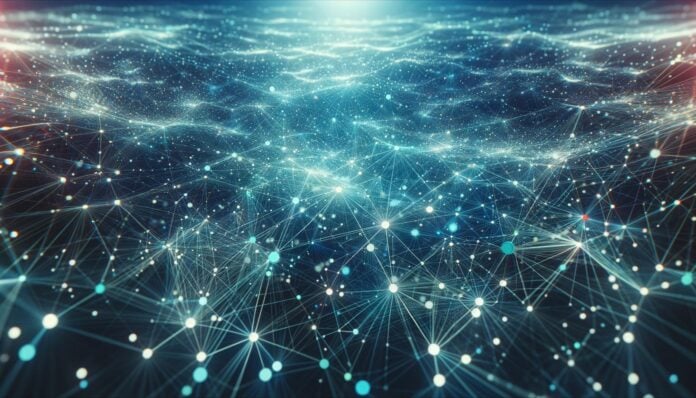
Network redundancy also plays a critical role in security. The global internet is designed to be resilient, with multiple cables connecting the same regions. If one cable is damaged—whether by accident, natural disaster, or sabotage—data can be rerouted through alternative paths. This makes it difficult for attackers to disrupt communications on a large scale. Instead of a single point of failure, the system behaves more like a web, constantly adapting to maintain connectivity.
Monitoring and surveillance further enhance security. Cable operators and international organizations continuously monitor network traffic for unusual patterns that might indicate interference or intrusion attempts. While they may not watch every inch of the ocean floor, they can detect anomalies in data flow, latency, or signal strength that could suggest a problem. Maintenance ships are also deployed to inspect and repair cables when needed.
Legal and geopolitical factors add another layer of protection. Submarine cables are considered critical infrastructure, and many countries have laws and agreements in place to safeguard them. Interfering with these cables can have serious international consequences, making state-sponsored attacks politically risky. Organizations like the International Cable Protection Committee (ICPC) work to promote best practices and cooperation among nations.
It is also important to distinguish between physical attacks and cyber attacks. While physically cutting or damaging a cable is possible (and has happened due to anchors or natural events), it is not the same as hacking into it. Cyber attacks typically target software systems, servers, or endpoints rather than the transmission medium itself. In most cases, it is far easier for attackers to exploit vulnerabilities in websites, networks, or user devices than to attempt to breach a submarine cable.
In conclusion, undersea internet cables are surprisingly secure against cyber attacks due to their physical isolation, strong encryption, redundant network design, and global monitoring systems. While no infrastructure is completely immune to threats, the complexity and cost of targeting these cables make them an unlikely entry point for cyber-criminals. Instead, the real vulnerabilities of the internet tend to lie closer to the surface—in the systems we use every day.
Join our LinkedIn group Information Security Community!