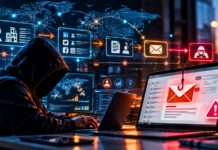




Over the past few days, many people living in metro and cosmopolitan cities have reported receiving suspicious emails warning them that their iCloud storage has reached its limit. At first glance, these messages appear legitimate and even direct recipients to what looks like an official support page. However, these emails are part of a carefully crafted scam targeting unsuspecting users of Apple devices such as iPhones and MacBooks.
In reality, these emails are designed to trick users into clicking on malicious links. Once clicked, these links lead to fake websites that closely resemble genuine Apple support pages. The primary goal of these fraudulent pages is to collect sensitive information, including login credentials, banking details, and other personal data. Victims may not immediately realize they have been deceived, as the pages often look convincing and professional.
According to a report published by The Guardian, scammers are actively distributing such emails with embedded links that redirect users to phishing websites. The content of these emails typically creates a sense of urgency. Users are told that their iCloud storage is full and that immediate action is required to prevent loss of data such as photos, videos, and access to services like FaceTime. This fear-based messaging pressures users into acting quickly without verifying the authenticity of the email.
In some cases, the emails go a step further by confirming that the user’s cloud storage has already been exhausted. They then prompt the recipient to upgrade to a premium plan to restore functionality. Once the user clicks on the provided link, they are redirected to a fraudulent webpage where they are asked to enter sensitive information, including banking or card details, under the guise of processing the upgrade.
To make these scams more convincing, the emails often appear to come from addresses that include “apple.com” or “noreply@apple.com.” While these may look legitimate at a glance, closer inspection usually reveals subtle discrepancies that indicate the sender is not genuine. Unfortunately, many users overlook these warning signs.
Driven by panic and the fear of losing access to their accounts or important data, users sometimes fail to verify the authenticity of such emails. As a result, they may unknowingly provide their personal and financial information to cybercriminals. This highlights the importance of staying vigilant, double-checking email sources, and avoiding clicking on suspicious links, especially when the message creates urgency or demands immediate action.
Join our LinkedIn group Information Security Community!