


How AI Changes Investigation, Prioritization and Response in the Cloud
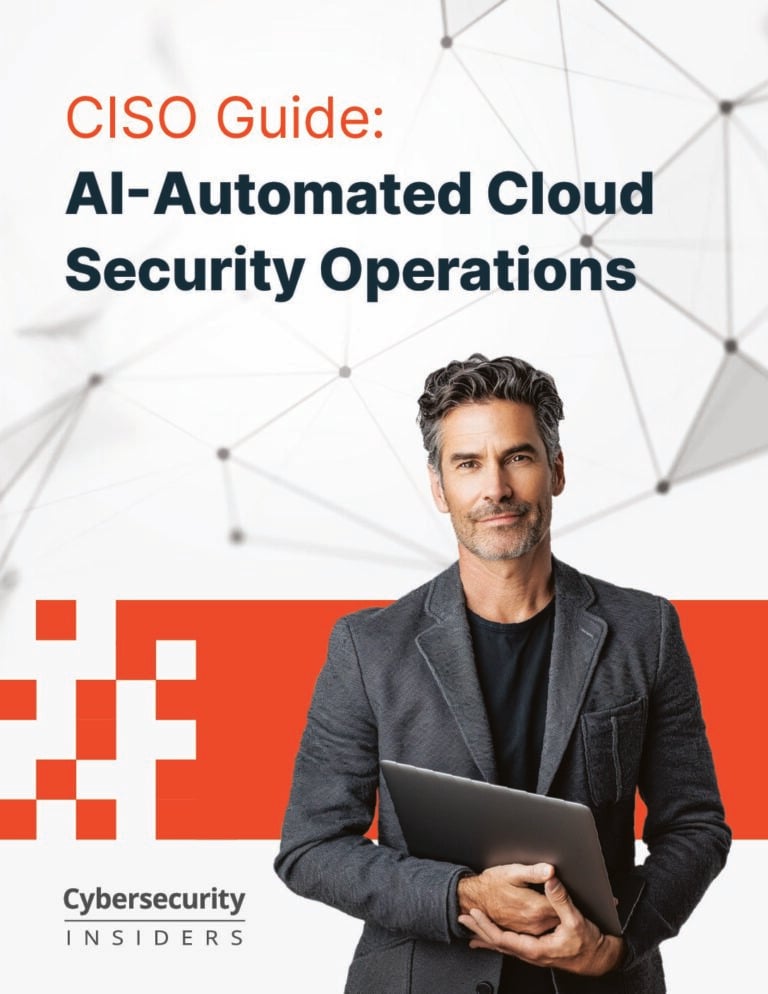
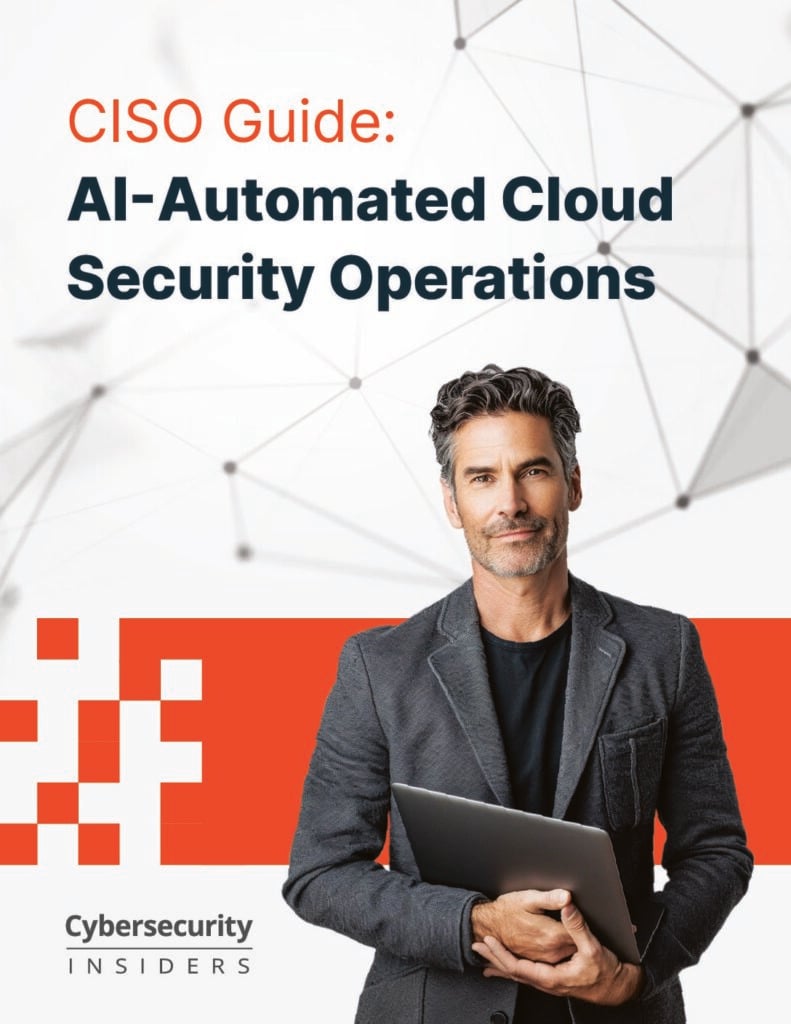
CISO Guide to AI-Automated Cloud Security Operations helps CISOs bring AI into the investigation, prioritization and response work of a cloud SOC. The guide covers cloud security challenges, threat detection and investigation, prioritizing high-risk threats, response and automation from code to cloud, and continuous improvement, with AiStrike as the working example.
85%
reduction in alert volume that AiStrike reports from analytics-based alert prioritization
4
cloud analytics use cases: identity compromise, supply chain, API security and human risk
6
advantages of AI-automated cloud security operations, from threat detection to the talent gap
Cloud detection tools surface large volumes of alerts and vulnerabilities with limited context, and many of them are false positives. Frequent changes to configurations, deployments and user activity leave gaps that traditional SOC tools and methods struggle to close. The shared responsibility model adds complexity, since security duties are split between the cloud provider and the customer. AI can enrich alerts with business context, tie related alerts to a common root cause and respond consistently at speed. The guide shows CISOs how that works across investigation, prioritization, remediation and continuous improvement.
Inside the guide:
- Cloud security challenges: alert volume with limited context, constant change and the shared responsibility model
- Threat investigation: enriching alerts with business context, behavior fingerprints and cloud identity investigation
- Human risk investigation and four cloud analytics use cases, from identity compromise to API security
- Prioritizing high-risk threats with MITRE-based modeling, composite alerts and adaptive prioritization
- Response and automation: fixing issues at the root, shift-left remediation, emerging threats and playbooks
- Continuous improvement through reinforcement learning from analyst feedback
What the guide recommends
The guide sets out how AI can carry more of the cloud SOC's investigation and response work.
- Enrich every alert with business context
- Map alerts to cloud resources and their interconnections so teams see the real exposure of their most critical assets.
- Group alerts by root cause
- Use behavior profiles and MITRE-based modeling to tie related alerts together, suppress noise and surface toxic combinations.
- Treat identity as a primary risk
- Discover human and machine identities, baseline normal activity and prioritize overprivileged roles and unauthorized actions.
- Fix issues where they originate
- Link runtime findings to artifacts and owners in the CI/CD pipeline, so remediation happens at the source.
- Automate response within change control
- Use playbooks and customizable workflows that fit existing incident management and change control processes.
More recent research
The latest reports, CISO guides and product reviews from Cybersecurity Insiders.
More research on Cloud Security
Reports, guides and reviews on this topic from other research partners of Cybersecurity Insiders.
The CISO Guide to Hybrid Mesh Firewall
CISO guide with Hewlett Packard Enterprise
2026 Cloud Security Report
Survey report with Check Point Software
2026 Cloud Security Report
Survey report with Fortinet
2025 Cloud Security Report
Survey report with Trend Micro
2025 Cloud Security Report
Survey report with Check Point Software
Commission a guide like this
Cybersecurity Insiders writes and publishes practical CISO guides with security vendors.
See how CISO guides workSubscribe to
Cybersecurity Insiders
Get new research reports, CISO guides and product reviews delivered to your inbox.
SubscribeResearch library
Practitioner surveys, CISO guides, product reviews and webinars
Browse the research libraryGet a CISO guide for your company
Cybersecurity Insiders writes and publishes practical CISO guides with security vendors. Cybersecurity Insiders runs the whole project, from outline and drafting to the finished guide and its promotion to a community of more than 600,000 security professionals.