


Strategies for Protecting Multi-Cloud Environments in a Hybrid World
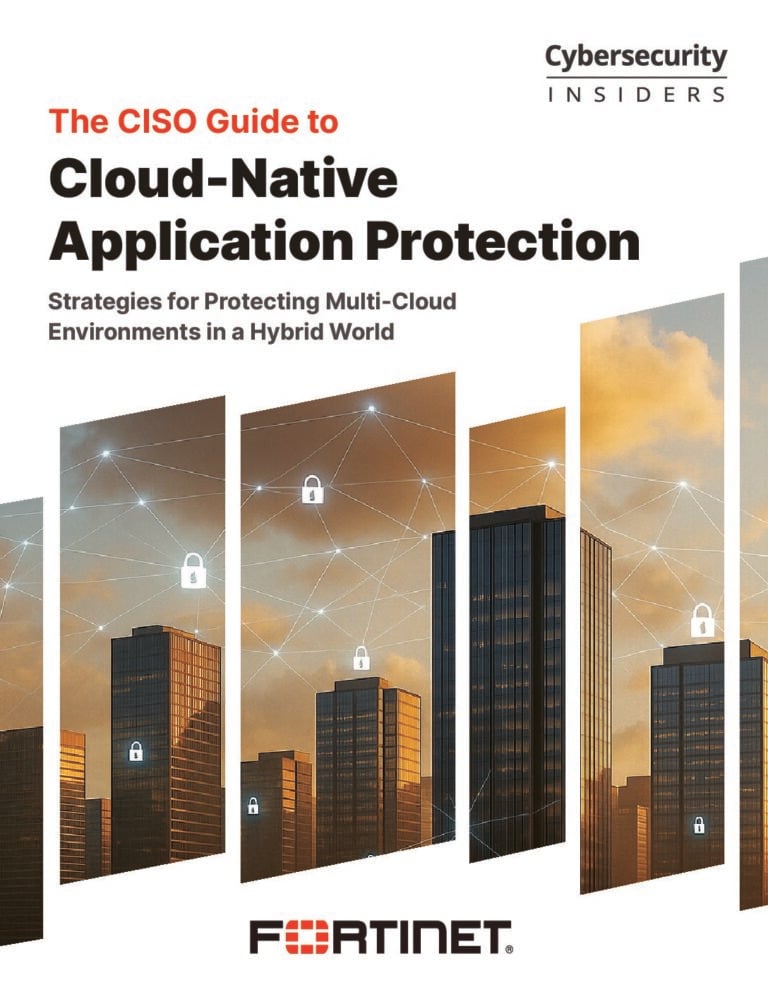
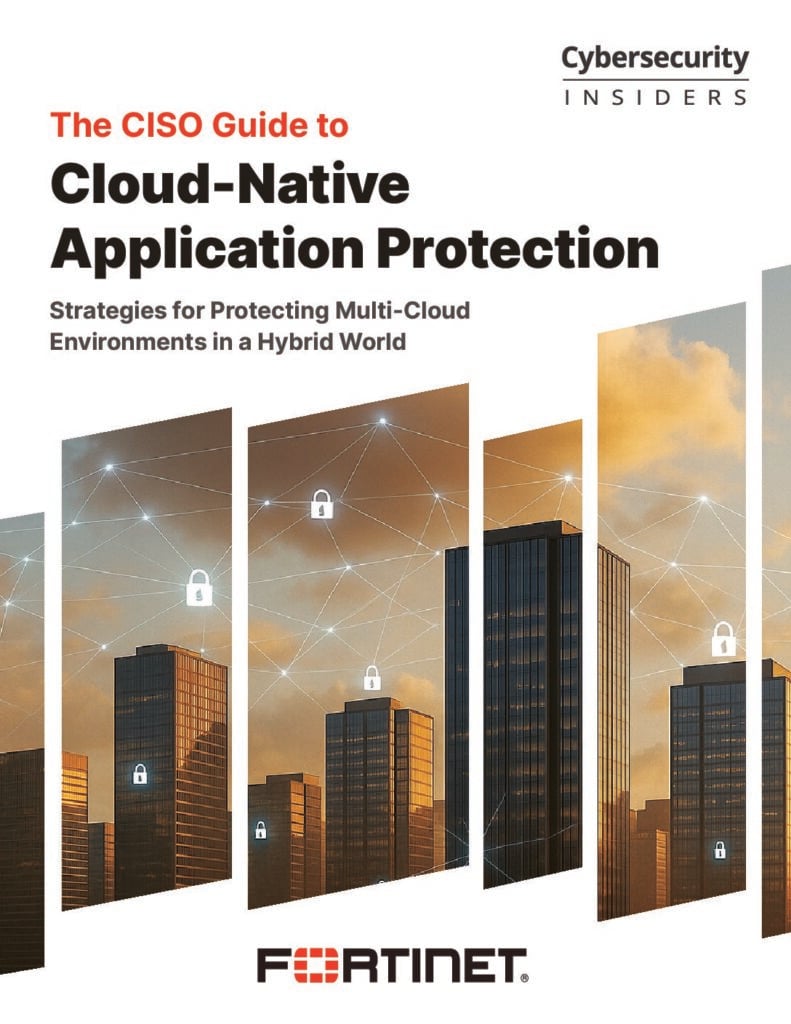
The CISO Guide to Cloud-Native Application Protection helps CISOs build a CNAPP strategy that connects posture, workload and identity risk across multi-cloud and hybrid environments. The guide covers why the conventional cloud security model falls short, code-to-cloud security, risk and threat correlation, behavioral analytics, real-world scenarios, a five-stage maturity framework and questions for evaluating CNAPP providers.
2%
of flagged misconfigurations were actively exploited once a manufacturer correlated posture with runtime data
5
stages of CNAPP maturity, from fragmented control to a strategic control plane
4
real-world scenarios, from upstream risk prevention to coordinated response in Kubernetes
Cloud-native architectures delivered speed and scale but expanded the attack surface, as machine and human identities change constantly and APIs open new paths. Gartner reports that identity-driven attacks now outnumber perimeter breaches nearly three to one, with cloud misconfigurations still the primary breach vector. SIEMs and legacy SOC platforms flood teams with low-value alerts and lack the context to tie risk to behavior. Separate tools for posture, workloads and entitlements each find problems, but none connect them. The guide explains how a CNAPP correlates those signals from code to cloud and gives CISOs a framework to assess their maturity.
Inside the guide:
- Why traditional security tools fall short in the cloud and why a CNAPP strategy has become imperative
- A new model for cloud security: code-to-cloud lifecycle security and correlation of risk with live threats
- AI-powered behavioral analytics and orchestrated response for threats without known signatures
- Real-world scenarios, from upstream risk prevention to coordinated response in Kubernetes
- A five-stage CNAPP maturity framework across visibility, risk, detection, compliance and automation
- CNAPP as the strategic control plane, and five critical questions for evaluating CNAPP providers
What the guide recommends
The guide sets out how CISOs can turn CNAPP into the foundation of cloud security operations.
- Start security before deployment
- Scan infrastructure-as-code, secrets and dependencies in the pipeline, so misconfigurations are blocked before they reach the cloud.
- Correlate posture with live threats
- Combine posture, workload and entitlement findings with runtime telemetry to focus on what attackers actually exploit.
- Detect behavior, not just signatures
- Model normal user and entity behavior to catch unknown threats such as compromised credentials, insider threats and cryptojacking.
- Assess maturity across five dimensions
- Place the program on the framework for visibility, risk, detection, compliance and automation, and close the biggest gaps first.
- Make CNAPP the control plane
- Treat CNAPP as the operational foundation of cloud security, not another product that adds more alerts.

More research with Fortinet
Reports, guides, reviews and webinars Fortinet has produced with Cybersecurity Insiders.

Securing Web Applications at AI Speed: Closing the Readiness Gap
Webinar
2026 Web Application Security Report
Survey report
2026 Cloud Security Report
Survey report
Stopping Insider Risk at Its Source – The Shift to Behavior Driven DLP
Webinar
2025 Insider Risk Report
Survey report
2025 Data Security Report
Survey reportMore research on Cloud Security
Reports, guides and reviews on this topic from other research partners of Cybersecurity Insiders.
2026 CISO Guide to Software Trust
CISO guide with CleanStart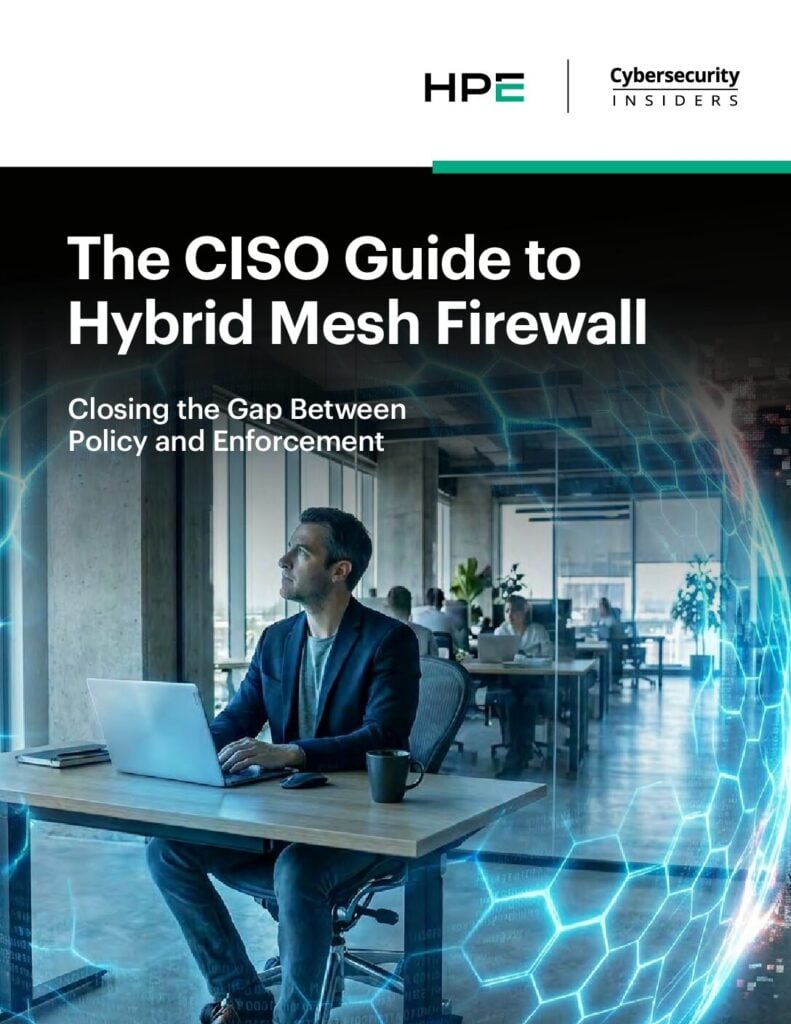
The CISO Guide to Hybrid Mesh Firewall
CISO guide with Hewlett Packard Enterprise
2026 Cloud Security Report
Survey report with Check Point Software
CISO Guide to AI Automated Cloud Security Operations
CISO guide with AiStrike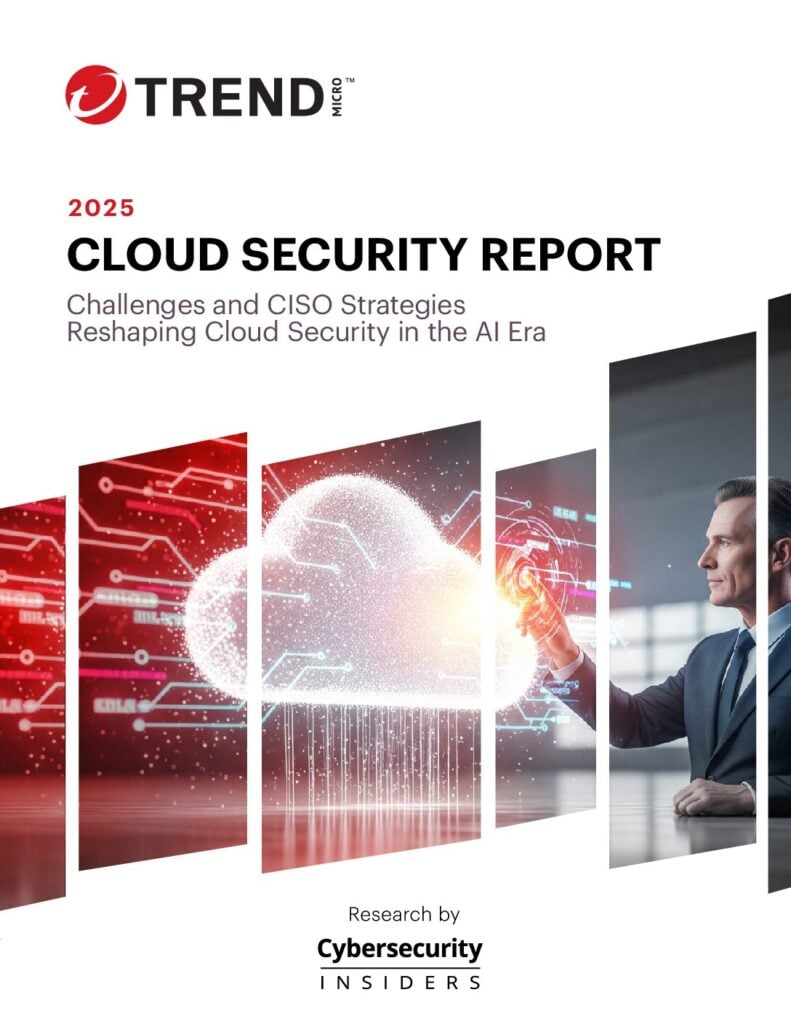
2025 Cloud Security Report
Survey report with Trend Micro
Commission a guide like this
Cybersecurity Insiders writes and publishes practical CISO guides with security vendors.
See how CISO guides workSubscribe to
Cybersecurity Insiders
Get new research reports, CISO guides and product reviews delivered to your inbox.
SubscribeResearch library
Practitioner surveys, CISO guides, product reviews and webinars
Browse the research libraryGet a CISO guide for your company
Cybersecurity Insiders writes and publishes practical CISO guides with security vendors. Cybersecurity Insiders runs the whole project, from outline and drafting to the finished guide and its promotion to a community of more than 600,000 security professionals.