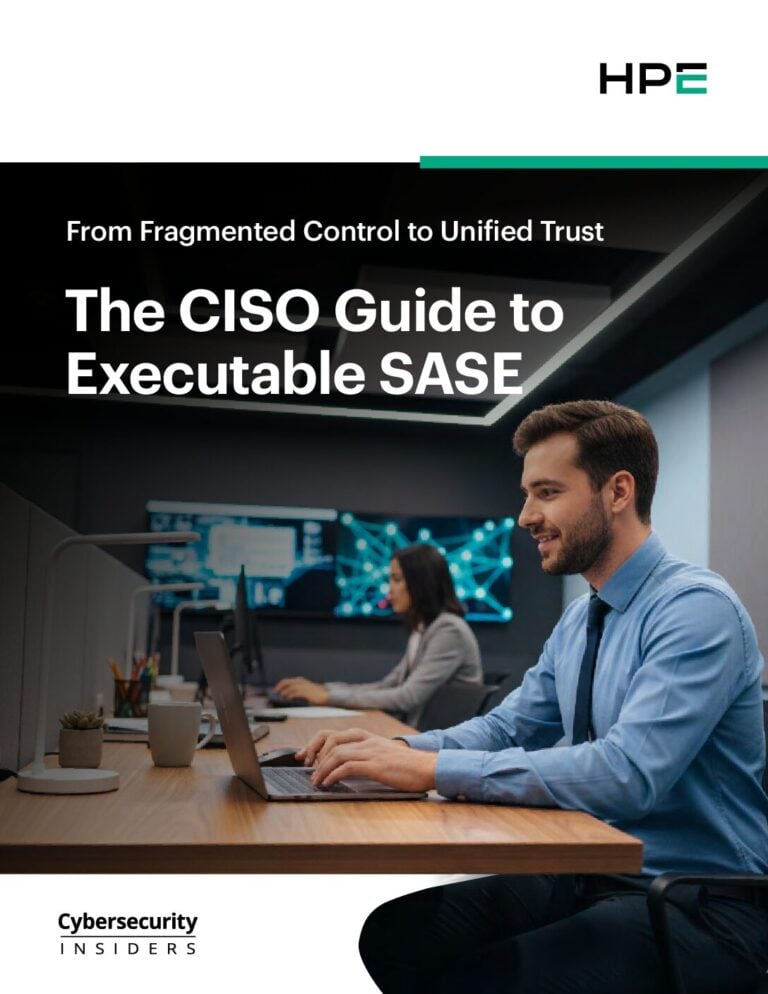



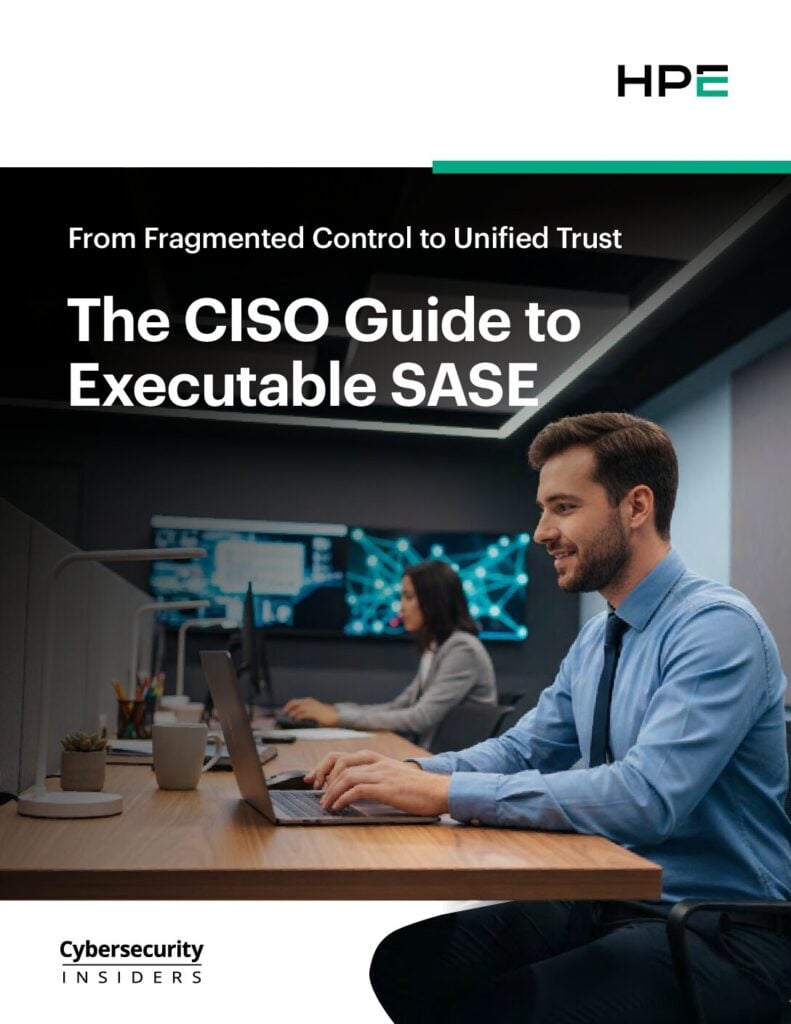
From Fragmented Control to Unified Trust
The CISO Guide to Executable SASE helps CISOs turn Zero Trust policy into consistent enforcement across remote, branch, campus and cloud access. The guide covers seven design principles, three diagnostic questions, three architectural decisions, a four-level control maturity model and evaluation criteria for SASE platforms.
17%
of organizations have fully implemented universal Zero Trust enforcement, while 82% view it as essential
7
design principles that define executable SASE, from unified policy to provable governance
4
levels in the SASE control maturity model, from fragmented to adaptive
Most security teams know what Zero Trust requires, yet enforcement still depends on where a user connects. Remote users pass strict checks while on-premises users work in flat, implicitly trusted networks, and access rules are synced by hand across separate systems until they drift apart. Auditors now expect enforcement shown at runtime, and NIS2, DORA and the SEC disclosure rules raise the stakes for CISOs and their boards. The guide gives CISOs a way to judge how far their current architecture is from consistent enforcement and where to start closing the gap. It closes with evaluation questions for vendor conversations and a set of metrics that show boards whether the program is working.
Inside the guide:
- Why Zero Trust fails at scale: static infrastructure, fragmented policy engines, visibility gaps and policy drift
- Seven design principles for executable SASE, from unified policy and shared visibility to provable governance and coherent integration
- Three diagnostic questions that test policy consistency, shared visibility and provable control in the current environment
- Three decisions that shape modernization: enforcement scope, unified versus best-of-breed architecture, and sequencing
- A four-level SASE control maturity model with typical indicators and three priorities: stabilize, simplify, automate
- Evaluation questions for vendor conversations, how HPE Aruba Networking maps to them, and metrics for SASE success
What the guide recommends
The guide sets out a sequence for moving Zero Trust from policy to day-to-day control.
- Plan for universal scope
- Design for Zero Trust enforcement across remote, branch, campus and edge locations from the start, even when rollout is incremental. A remote-only model redistributes risk instead of reducing it.
- Treat consolidation as a control decision
- Count the independent policy authorities in a proposed architecture. Each one is a potential source of drift between intent and enforcement.
- Sequence visibility before automation
- Establish shared telemetry on the highest-risk access paths first, then converge policy and enforcement for those paths, and only then add automated response.
- Demand runtime evidence
- Enforcement evidence should come on demand from live operational data, with every exception visible, time-bound and tracked.
- Align the operating model
- Networking and security teams need shared metrics, a single view for incident response and coordinated roadmaps, or technical convergence stalls.

More research with Hewlett Packard Enterprise
Reports, guides, reviews and webinars Hewlett Packard Enterprise has produced with Cybersecurity Insiders.

Zero Trust in the Age of AI: How Far Can Your AI Agents Reach?
Webinar
The CISO Guide to Hybrid Mesh Firewall
CISO guide
2026 Zero Trust Report
Survey report
The VPN Exit Plan: Your Roadmap to Zero Trust Security
Webinar
2025 VPN Exposure Report
Survey report
2025 SSE Adoption Report
Survey reportMore research on Network Security and Zero Trust
Reports, guides and reviews on this topic from other research partners of Cybersecurity Insiders.
Safous Privileged Remote Access
Product review with Safous
2026 VPN Risk Report
Survey report with Zscaler
2026 MANAGED SASE & ZERO TRUST REPORT
Survey report with Open Systems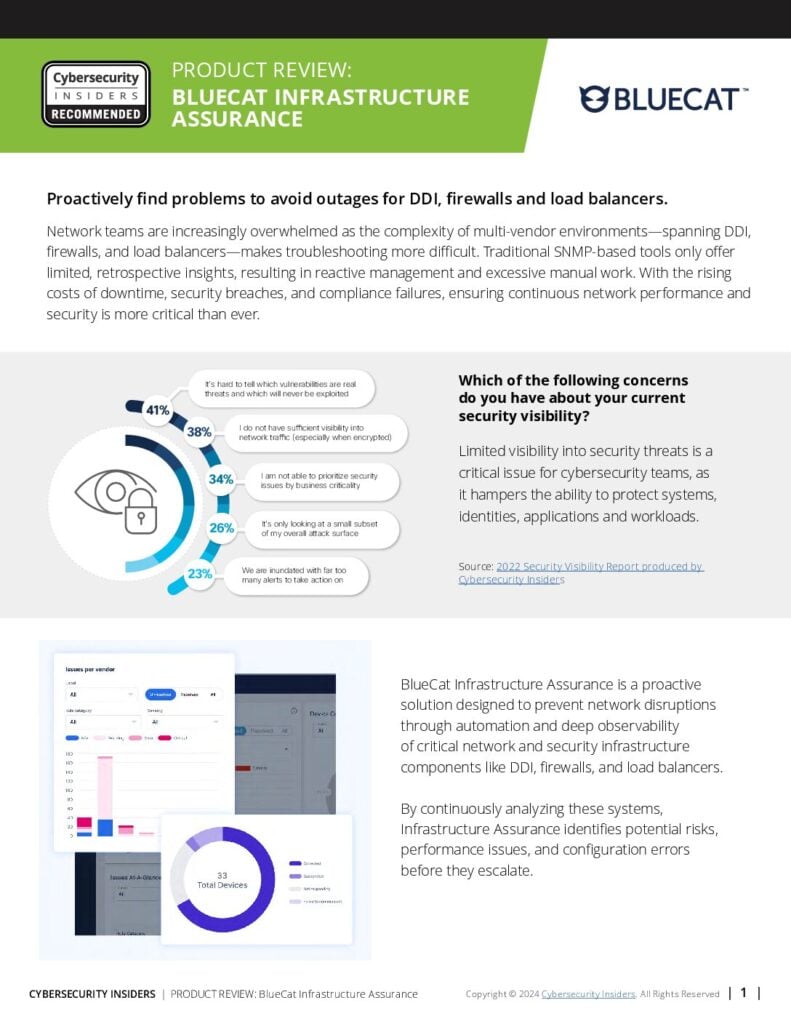
BlueCat Infrastructure Assurance
Product review with BlueCat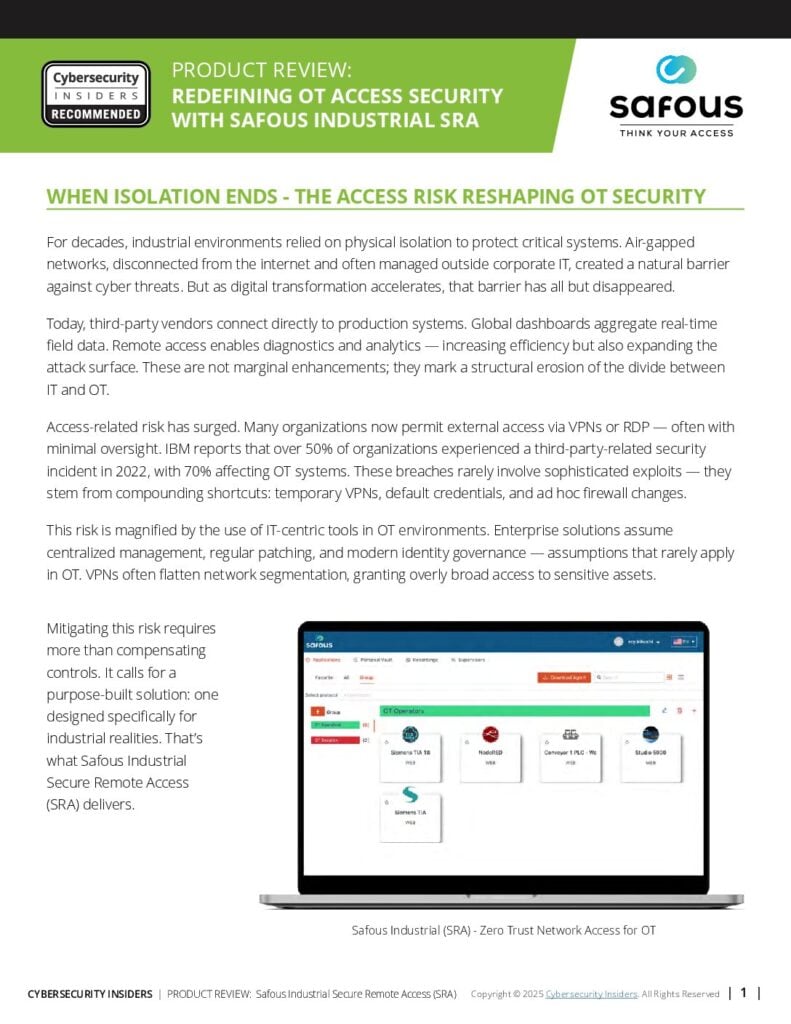
Safous Industrial SRA
Product review with Safous
Commission a guide like this
Cybersecurity Insiders writes and publishes practical CISO guides with security vendors.
See how CISO guides workSubscribe to
Cybersecurity Insiders
Get new research reports, CISO guides and product reviews delivered to your inbox.
SubscribeResearch library
Practitioner surveys, CISO guides, product reviews and webinars
Browse the research libraryGet a CISO guide for your company
Cybersecurity Insiders writes and publishes practical CISO guides with security vendors. Cybersecurity Insiders runs the whole project, from outline and drafting to the finished guide and its promotion to a community of more than 600,000 security professionals.