


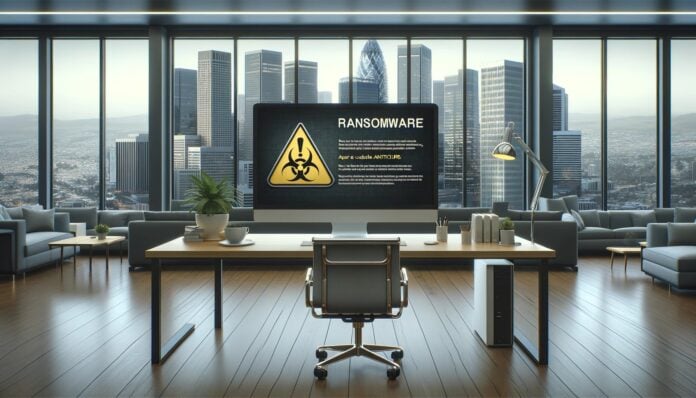
Trump Mobile, a U.S.-based mobile service provider associated with President Donald Trump, appears to have been targeted in a ransomware attack that allegedly exposed the personal information of approximately 3,500 customers. The data was reportedly posted on a leak forum by the BYOD ransomware group, raising concerns about the security of customer information handled by the mobile service.
The exact scope of the breach, however, remains unclear. It has not yet been established whether the attackers accessed only a limited portion of the company’s customer database or whether the information published online was intended primarily as evidence to support the hackers’ claim that they had successfully compromised the organization.
Trump Mobile operates as a mobile virtual network operator (MVNO), reportedly working with Liberty Mobile to provide telecommunications services. Unlike traditional network operators, MVNOs generally do not own and operate the entire underlying cellular infrastructure. Instead, they rely on established network infrastructure and spectrum arrangements to provide mobile services to customers.
The company’s reported response to the incident has also drawn attention. According to reports, Trump Mobile indicated that it had not been able to mount a detailed investigation into the alleged cyberattack because of a lack of sufficient cybersecurity personnel and expertise. If confirmed, this could make it more difficult for the company to determine how the attackers gained access, what systems were compromised, and whether additional customer information remains at risk.
The incident was initially reported by The Register, while the exposed information was also reportedly referenced by Have I Been Pwned, a service that tracks publicly disclosed data breaches. However, further details about the source and authenticity of the leaked information remain subject to investigation.
According to claims circulated through a Telegram channel associated with the attackers, the BYOD group gained access to servers connected with the mobile virtual network operator. The attackers allegedly obtained information including customer names, email addresses, telephone numbers, physical addresses, and Trump Mobile order details.
The group has also claimed that the initial access may have been obtained through infostealing malware deployed against an employee associated with the MVNO. Info-stealers are malicious programs designed to collect sensitive information from compromised devices, including credentials, browser data, and other valuable information that can potentially be used to gain access to corporate systems.
The reported incident highlights the risks facing telecommunications providers and their customers. Even when a company does not operate its own cellular infrastructure, weaknesses in employee devices, third-party systems, or internal servers can potentially expose sensitive customer information. Until a formal investigation establishes the attack method and the full extent of the compromise, the number of affected customers and the precise nature of the stolen data should be treated as preliminary.
Join our LinkedIn group Information Security Community!