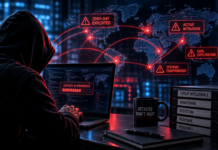


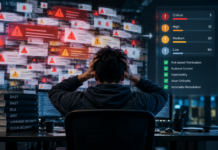

Kaspersky, the renowned Russian cybersecurity firm that has been banned for use in federal agencies across the United States, has recently released a comprehensive study warning of a global surge in cyber threats. The firm’s findings are particularly concerning as they reveal that its anti-malware software has been blocking over 500,000 malicious files each day so far in 2025. Additionally, Kaspersky’s threat analysts have pointed out that cyberattacks have impacted more than 27% of online users globally, with a significant proportion of them falling victim to malware and ransomware.
The 2025 Kaspersky Security Bulletin, which highlights key trends and insights into the cybersecurity landscape, emphasizes that Microsoft Windows continues to be the primary target for cybercriminals. According to the study, more than 48% of Windows users have been affected by various cyber threats, making the operating system the number one target for malicious activity. In contrast, Mac users faced a lower but still significant risk, with 29% of them encountering severe digital attacks in the past year.
Kaspersky also notes that cyber threats are becoming increasingly sophisticated and widespread, with a noticeable uptick in attacks targeting both individuals and businesses alike. In response to this evolving landscape, Kaspersky has integrated advanced Artificial Intelligence (AI) and Machine Learning (ML) tools into every layer of its security framework. This enhancement enables the company’s cybersecurity solutions to develop more refined, effective detection models, helping organizations and individuals better protect themselves against cyber threats of varying levels of complexity.
Security researchers recommends the following tips to stay protected
Kaspersky researchers have provided a set of practical security tips to help users minimize the risk of falling victim to cyberattacks. Here are the key recommendations:
a) Avoid Untrusted Sources
One of the most common entry points for malware is through apps or software downloaded from unreliable or unknown sources. This advice is especially critical for users of personal computers (PCs) and mobile devices. Always ensure that the applications you install come from verified, trusted platforms like official app stores or well-known developers.
b) Be Wary of Suspicious Links
Cybercriminals often use phishing emails and text messages to trick users into clicking malicious URLs. To protect yourself, it is essential to avoid clicking on links in unsolicited emails or messages, especially those that seem out of place or too good to be true. If in doubt, verify the source before taking action.
c.) Use Strong, Unique Passwords and Enable Multi-Factor Authentication (MFA)
Strong passwords are essential for protecting your online accounts. Kaspersky advises users to choose passwords that are at least 14 characters long and consist of a combination of uppercase and lowercase letters, numbers, and special characters. Additionally, enabling Multi-Factor Authentication (MFA) adds an extra layer of security to your accounts, making it harder for attackers to gain access even if they manage to crack your password.
d.) Limit Remote Desktop Protocol (RDP) Exposure
For businesses and corporate networks, the use of Remote Desktop Protocol (RDP) can expose systems to significant risk if not properly secured. Kaspersky recommends blocking RDP access to public networks to significantly reduce the attack surface and prevent unauthorized access to critical systems.
e.) Backup Your Data Regularly
A key piece of advice for both individuals and organizations is to regularly back up your important files and data. In the event of a malware attack, particularly ransomware or file-encrypting malware, having a recent backup can be a lifesaver. It ensures that even if your digital assets are compromised, you can recover them swiftly without paying the ransom or losing critical information.
A Growing Concern: The Escalation of Cyber Threats
The findings in Kaspersky’s 2025 Security Bulletin are a stark reminder of the increasingly dangerous digital environment we live in. With the rapid evolution of cyberattack techniques, from phishing scams to sophisticated ransomware campaigns, cybersecurity has never been more critical. The threat landscape continues to evolve, and both individuals and businesses must remain vigilant to stay one step ahead of cybercriminals.
As Kaspersky continues to enhance its cybersecurity tools with cutting-edge AI and machine learning technologies, users can take comfort in the fact that such advancements are helping to build more robust defenses. However, proactive behavior, such as practicing good security hygiene and following best practices, remains crucial in mitigating the risks associated with the ever-growing threat of cyberattacks.
By staying informed and adopting these essential security measures, users can significantly reduce their chances of falling victim to malicious actors in 2025 and beyond.
Join our LinkedIn group Information Security Community!