


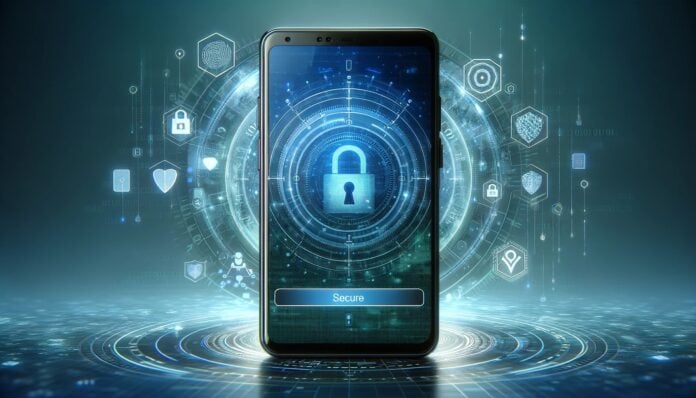
A recent study by Kaspersky, the Russian cybersecurity business, has highlighted an interesting trend in the way people protect their digital devices. According to the study, smartphone users tend to be more proactive than PC users when it comes to installing software updates, maintaining device security, and taking steps to protect themselves from cyber threats.
The research suggests that people are increasingly dependent on smartphones for a wide range of everyday activities. Unlike personal computers, which are often used for specific tasks such as office work, education, or professional activities, smartphones remain constantly connected and are used throughout the day. Users rely on their mobile devices to watch videos and other online content, take photos and record videos, access emails, communicate through social media, make payments, and carry out various other online activities.
This growing dependence on smartphones appears to have influenced users’ attitudes towards cybersecurity. Kaspersky’s researchers found that smartphone users are generally more willing to take precautionary measures to keep their devices secure. These measures include installing software updates, removing unwanted applications, checking for suspicious activity, and taking steps to protect personal information from potential cybercriminals.
The study also points to a difference in the way users approach cybersecurity on smartphones and personal computers. While people may regularly update and clean their smartphones because they use them so frequently, they may pay less attention to PCs and laptops, particularly when these devices are used less often. As a result, computers can sometimes remain outdated or contain unnecessary software that could increase security risks.
Another important factor is the amount of sensitive information stored on smartphones. Modern mobile devices often contain personal photographs, contact details, emails, passwords, financial information, and access to social media and banking applications. Losing control of a smartphone or having it compromised could therefore expose a considerable amount of personal and financial data.
Kaspersky’s findings emphasize the importance of maintaining good cyber hygiene across all digital devices, rather than focusing exclusively on smartphones. Although mobile users appear to be taking cybersecurity more seriously, PCs, laptops, and tablets also require regular updates, security checks, and responsible usage practices.
As cyber threats continue to evolve, users need to remain alert regardless of the device they use. Keeping operating systems and applications updated, avoiding suspicious links and downloads, using strong passwords, and employing reliable security software can help reduce the chances of becoming a victim of cybercrime.
The study ultimately demonstrates how smartphones have become an essential part of modern digital life. Their constant use has encouraged many people to become more conscious of cybersecurity and take proactive steps to safeguard their personal and financial information.
Join our LinkedIn group Information Security Community!